Sam Duell is the Policy Director for Charter Schools at ExcelinEd.

This is National School Choice Week, a time to celebrate all kinds of schooling options including charter schools.
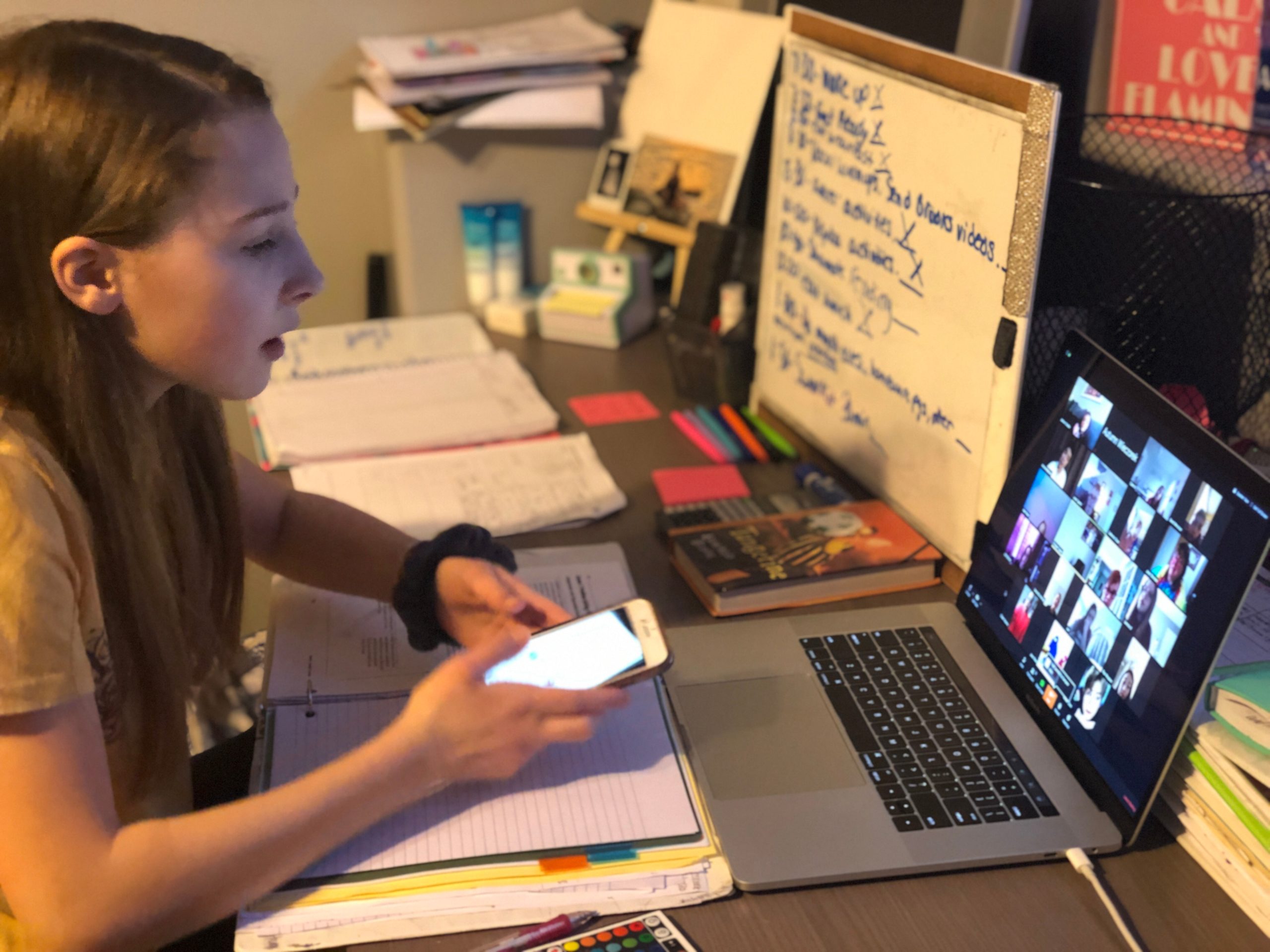
Look up the word “nimble” in a thesaurus and you’re likely to see the words, “agile, swift, and active.” My favorite word affiliated with “nimble” is “responsive.” These words describe how many charter schools adapted in the spring of 2020. Within days, school buildings were shut. Rather than students going to schools, schools had to go to students.
We focused on this topic at our 2020 EdPalooza. If you’d like to hear a real conversation with people working on the ground, check out Quick Pivots: How Charters Adapt in Crisis. It’s an in-depth, hour-long conversation with three charter leaders from California, Florida, and Texas. Hosted by Michael Petrilli, President of the Thomas B. Fordham Institute, this is a wide-ranging, honest and thoughtful conversation about their response.
There’s no question: this pandemic has been incredibly tough on our students. Schools can respond, and you won’t want to miss seeing these three leaders discuss exactly how they are being nimble in the face of such historic challenges.
If you would like to know more about how charters are adapting, please check out these articles from some of our partners.
Schooling Covid-19: Lessons from leading charter networks from their transition to remote learning
This paper was published in August, 2020 by the Thomas B. Fordham Institute. The paper chronicles the experience of 8 charter networks and how they first responded to the pandemic.
Promise in the Time of Quarantine: Exploring Schools’ Reponses to COVID-19
This paper was published in September, 2020 by Bellwether Education Partners. It analyzes the responses of 12 school districts and charters and categorizes the best practices into eight categories.
This paper was published in November, 2020 by the Center on Re-inventing Public Education at the University of Washington, Bothell. It reminds us that relationships really do matter, especially for students with disabilities.
