Ben DeGrow is a Senior Policy Director of Education Choice for ExcelinEd.

Families across the country continue to seek better access to quality education for their kids. Lawmakers are listening and responding.
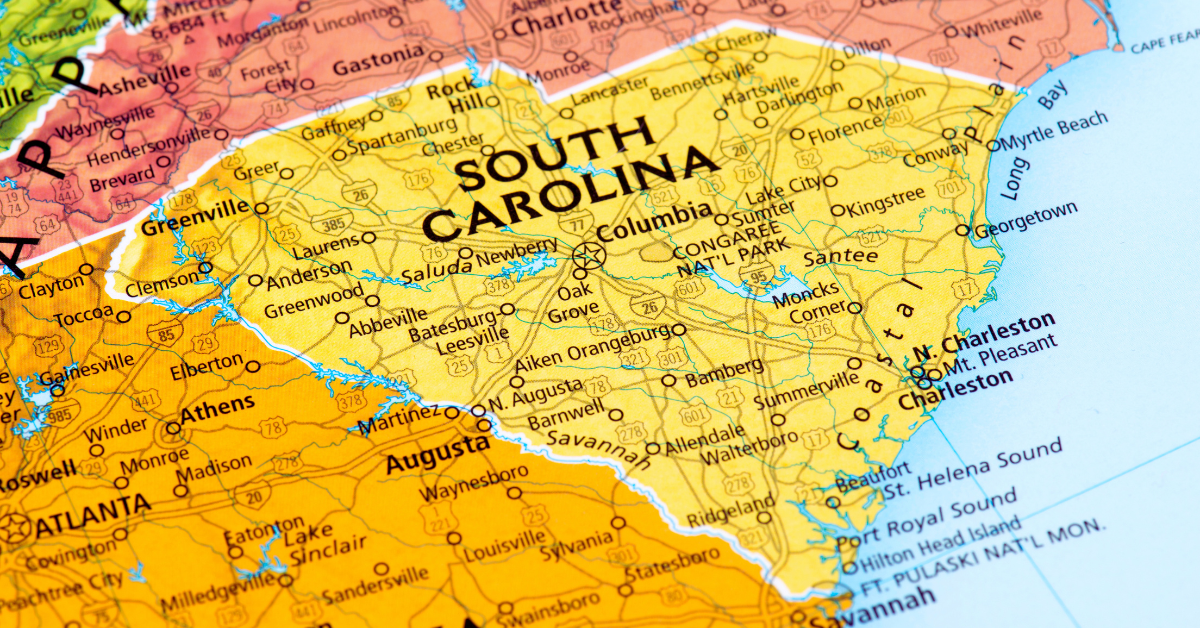
South Carolina is among many states rising to meet the challenges of students and parents by embracing school choice. However, this success did not happen overnight.
In the nearly 30 years of school choice programs, policymakers have seen the evolution from voucher programs in the 1990s to tax credit scholarships in the 2000s to the current popular choice of Education Scholarship Accounts.
Education Scholarship Accounts or ESAs allow families to use their allocated funds for private school tuition, tutors, textbooks, educational software, speech therapy and even public or private school transportation. This puts parents in the driver seat of their kids’ educational outcomes, allowing them to enroll in a private school, learn at home or try a hybrid approach to schooling. In all, 18 states have approved ESA programs so far.
This list does include South Carolina. However, the program ran into legal challenges in 2024 when the state’s highest court ruled against the funding mechanism of the Education Scholarship Trust Fund (ESTF).
If it wasn’t for philanthropists and school leaders coming together to fund a temporary solution, those students relying on the ESA program would have been pulled from their new schools.
South Carolina now finds itself back at the starting line. State lawmakers this year are debating how to make that temporary solution into a permanent one. The good news is 13 of the 18 ESA states have already put ESA programs into action. Many are seeing fruitful outcomes that demonstrate how ESAs can be a crucial part of a healthy education system designed around what families need.
In Tennessee, a focus on strong communication from ESA program administrators has fostered a strong outpouring of support from parents. The program reports 99% of account holders are satisfied and plan to reapply.
In New Hampshire, parents share that their children’s educational outcomes are improving because they can access a higher quality school and spend their ESA funds in customizable ways. They’re not alone, as most studies show school choice programs across the country lead to better access to safer and more racially integrated schools, learning gains for lower-income students and greater rates of college enrollment and persistence.
Some may be surprised to learn that the clearest and most overwhelming result of the research is the positive impact educational choice has on students who remain in public schools. Take a key study from Ohio for example, which found state-funded K-12 vouchers have benefited district students with slight improvements in math and reading scores, as well as lower levels of segregation. States across the country could expect to see the same level of success in public schools from enhanced competition as Ohio’s program.
Many make the mistake of mislabeling ESA programs as vouchers, but the ability of families to spend their education dollars more flexibly is the key difference. ESAs are designed to give families as education consumers the ability to spend their scarce dollars on an even greater array of options, including microschools or enrolling part-time in public school classes. More options create more incentive to deliver results.
The opportunity for parents to mix and match, to tap into providers old and new across different sectors, is ultimately a winning formula for students. It encourages all schools – public and private – to value and listen to the families they serve and hope to serve.
It’s not easy to design and implement an effective ESA program, but the results are well worth it. Other states have set the stage by showing how well choice works and making it available on a large scale. It’s South Carolina’s turn to write the next chapter in the growing movement for educational freedom.
